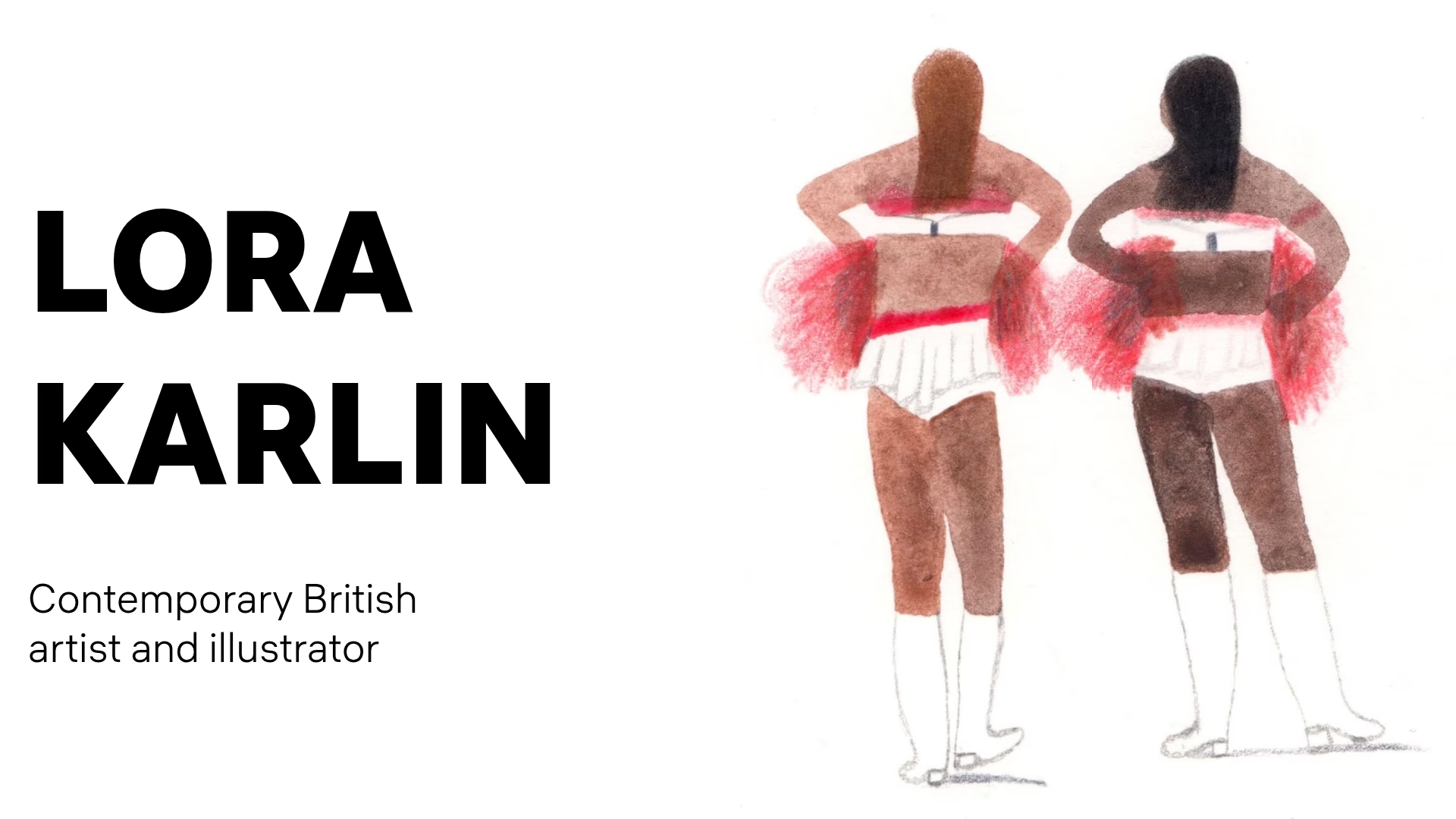




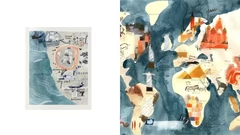

Laura Carlin British artist illustrator
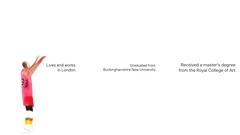
Laura Carlin London education
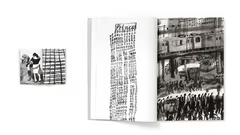
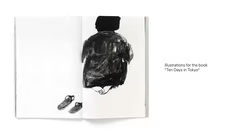
Laura Carlin Ten Days in Tokyo
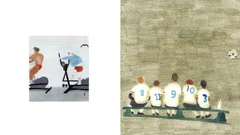
Ten Days in Tokyo illustrations
Laura Carlin storytelling through art
Laura Carlin teaching illustration
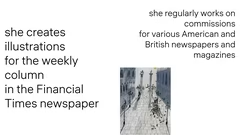
Laura Carlin Financial Times illustrations
Laura Carlin value of mistakes
Laura Carlin dark view art
Laura Carlin artist world view
Design by Granikova Olya

Laura Carlin Biography

17 slides

Template for presentations about artists and illustrators showcasing their career, works, and creative philosophy.
hauss
View template

About the template

The template is intended for creating presentations about artists, illustrators, and other creative professionals. It allows you to structure information about their career, significant works, creative philosophy, and impact on the industry. The template includes text blocks and options for inserting images of artwork.

Presenting basic information about the artist

The template helps to systematically present initial data about the artist. Start with the artist's name, profession, and place of work. Add information about their education and major achievements. For example, you can mention where the artist received their training, such as Laura Carlin's studies at Buckinghamshire New University and the Royal College of Art. This information provides a foundation for understanding the artist's background and development.

Displaying key works

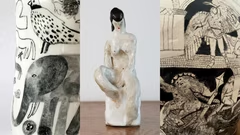
Use individual slides to highlight the artist's most important projects. Combine visual materials with concise descriptions to emphasize the significance of each work. You might show illustrations from a collection like Ten Days in Tokyo and explain why they are notable. Also include any awards or recognitions, like Laura Carlin's win at the Uniqlo Fashion Illustration award, to illustrate the artist's professional accomplishments and industry standing.

Analyzing the creative approach

The template enables a deeper dive into the artist's creative methods and outlook. Include direct quotes and reflections that demonstrate their artistic philosophy. For instance, explore how the artist views concepts like mistakes or the use of negative space in their work. Discuss themes such as Laura Carlin's 'rather dark view of the world' and how it shapes her illustrations. This section adds a layer of insight beyond basic biographical details.

Showing professional influence

Illustrate the artist's contributions beyond their own work. Mention any teaching positions, committee roles, or collaborations with organizations or publications. For example, note participation in initiatives like Quentin Blake's expert committee or projects with the Financial Times. This part of the presentation shows how the artist engages with and impacts the broader creative community and industry trends.

FAQ

  • Why shouldn’t you just read the slide text?

    The audience quickly loses interest and engagement drops. Slides should complement the speech, not duplicate it.

  • How do I choose a presentation template?

    The choice of template depends on the purpose and audience of the presentation. Business presentations require clean and professional templates, educational ones may benefit from more visual designs, and marketing presentations often use bold and dynamic layouts. The design should enhance clarity rather than distract from the content.

  • How many slides should a presentation have?

    An optimal range is 10 to 20 slides, but it depends on the topic and presentation format. The main goal is to avoid overload and maintain a logical flow.

  • What are the most common presentation mistakes?

    Do not overload slides with text; use readable fonts and contrasting colors. Avoid overly complex charts and distracting animations. Ensure the content flows logically and the material is well-structured.

  • How to choose the right images for slides?

    Choose images that support the text and illustrate key ideas. Prefer high-quality, clear images, avoiding slides overloaded with visual elements.