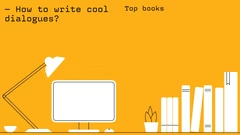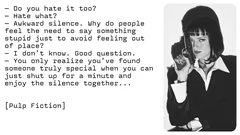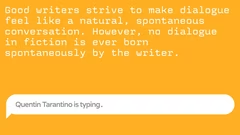


Plot and themes overview design by Yana Alenina
Plot vs theme in literature explanation
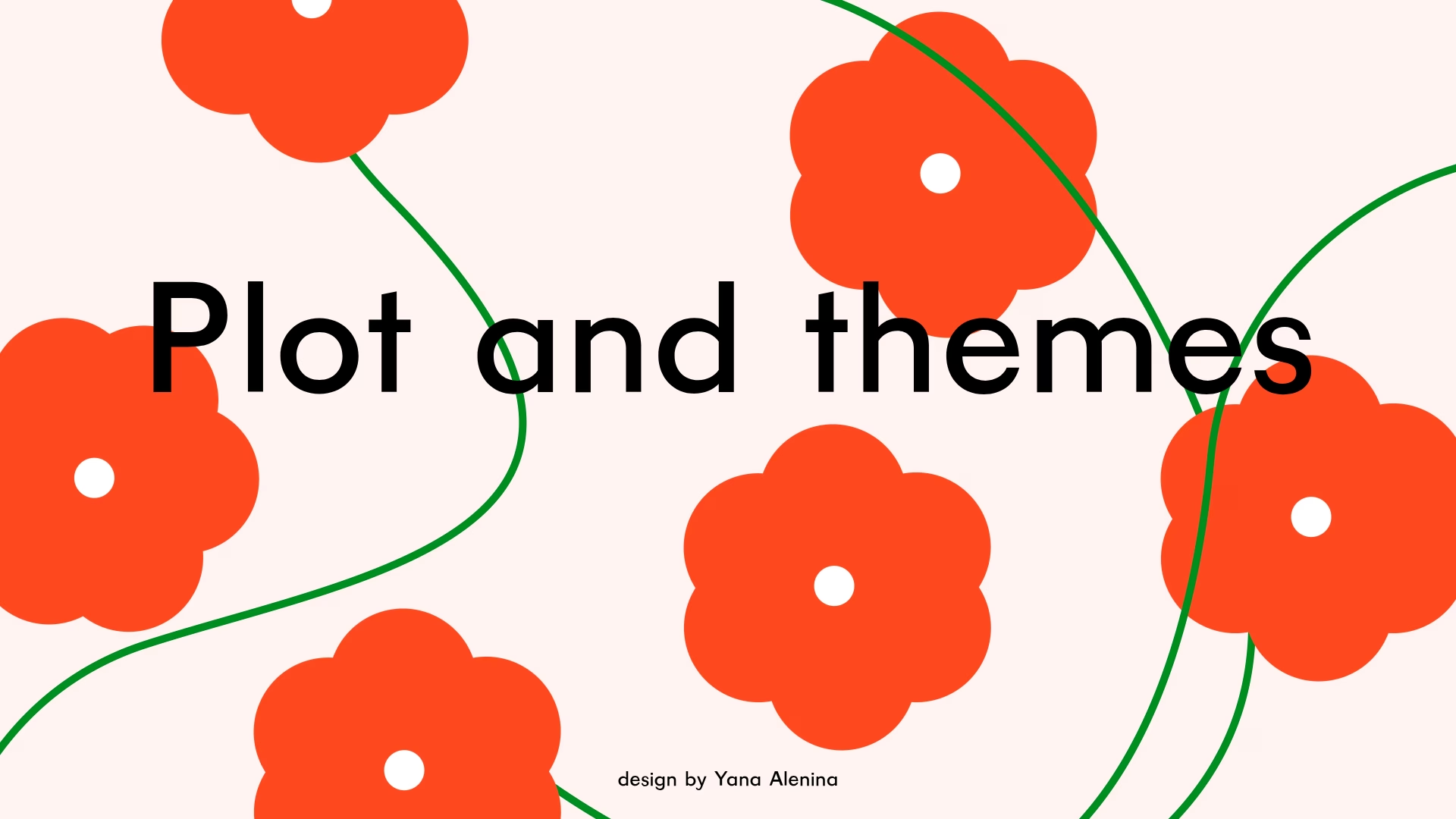
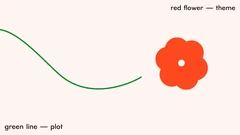
Plot represented by green line theme by red flower
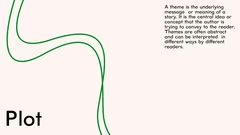
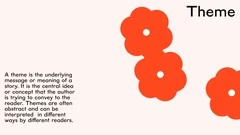
Theme definition in storytelling
Central idea of a story theme
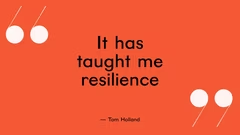
Tom Holland quote about resilience
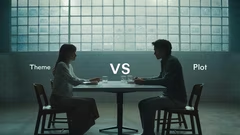
Theme versus plot comparison
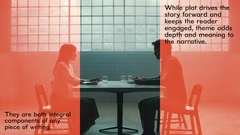
Role of plot and theme in narrative
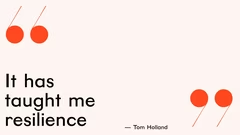
Tom Holland quote about resilience repeated
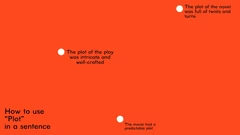
Examples of plot in sentences
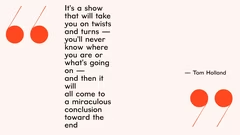
Tom Holland about unpredictable story conclusion
Thank you slide
PRO

Plot and Theme Explained

13 slides

Template to explain plot and theme in literature, showing their differences and importance in storytelling.

savage
View template

About the template

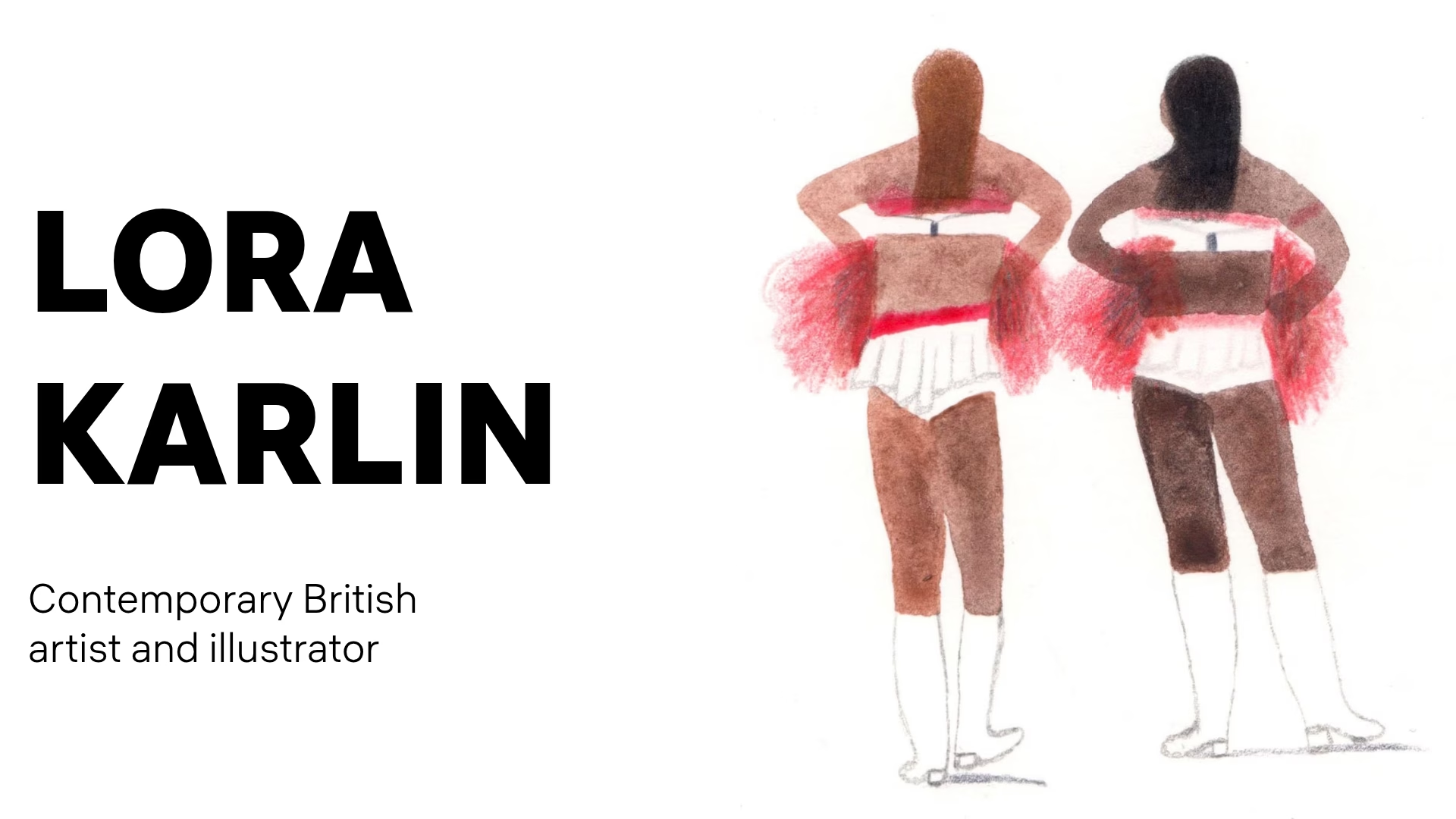
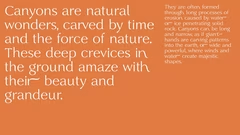
Template for explaining plot and theme in literature. It helps to distinguish between these concepts and understand their role in storytelling. The tool includes text blocks, visual symbols (a green line for plot and a red flower for theme), and quotes.

Distinguishing Plot and Theme

The template clarifies the difference between plot and theme — the sequence of events in a story and the underlying message, respectively. Visual symbols help reinforce the distinction: a green line represents plot, a red flower represents theme. This makes it easier to grasp how these elements function in literature.

Using the Template in Literature Classes

Teachers can use the template during literature lessons to analyze books and stories. For example, when studying a novel, students can identify key plot points and discuss the themes that arise. The template’s structure keeps discussions focused on important concepts, preventing them from straying off-topic. It can also be a starting point for detailed analysis of literary works.

Template Benefits for Writers

At creative writing workshops, the template can help authors learn to combine plot development with thematic depth. Writers can use it to plan stories: first outline plot points, then determine the themes they want to explore. This ensures the story is both engaging and meaningful. The template prompts writers to think about how their narrative decisions shape the story’s overall message.

Analyzing Stories With the Template

The tool helps identify key plot elements and thematic threads in a story. By examining the interaction between plot and theme, readers can better understand the author’s intent. For instance, when discussing a film, viewers can map out the plot’s development and consider the themes emphasized through the events. This systematic approach simplifies complex literary analysis for academic or personal purposes.

FAQ

  • What techniques help to cope with anxiety before a presentation?

    Take deep breaths, do breathing exercises, warm up your hands, get in a positive mood, and imagine yourself as a confident speaker. Rehearsals and preparation also significantly reduce anxiety.

  • How can I make a presentation more engaging?

    Use visual elements, illustrations, charts, and concise bullet points. Add examples, stories, and animations if appropriate. The key is maintaining balance between text and visuals.

  • How do I choose a presentation template?

    The choice of template depends on the purpose and audience of the presentation. Business presentations require clean and professional templates, educational ones may benefit from more visual designs, and marketing presentations often use bold and dynamic layouts. The design should enhance clarity rather than distract from the content.


  • What are the most common presentation mistakes?

    Do not overload slides with text; use readable fonts and contrasting colors. Avoid overly complex charts and distracting animations. Ensure the content flows logically and the material is well-structured.

  • What does it mean to create a presentation?

    A presentation is a way of delivering information to an audience in a clear and accessible manner, without overwhelming them with new knowledge. A good presentation should be easy to understand, and this can be achieved using various software tools.