
Jazz history introduction
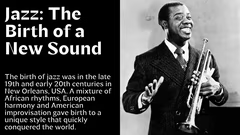
Jazz origins New Orleans
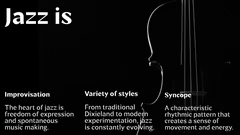
Jazz characteristics improvisation
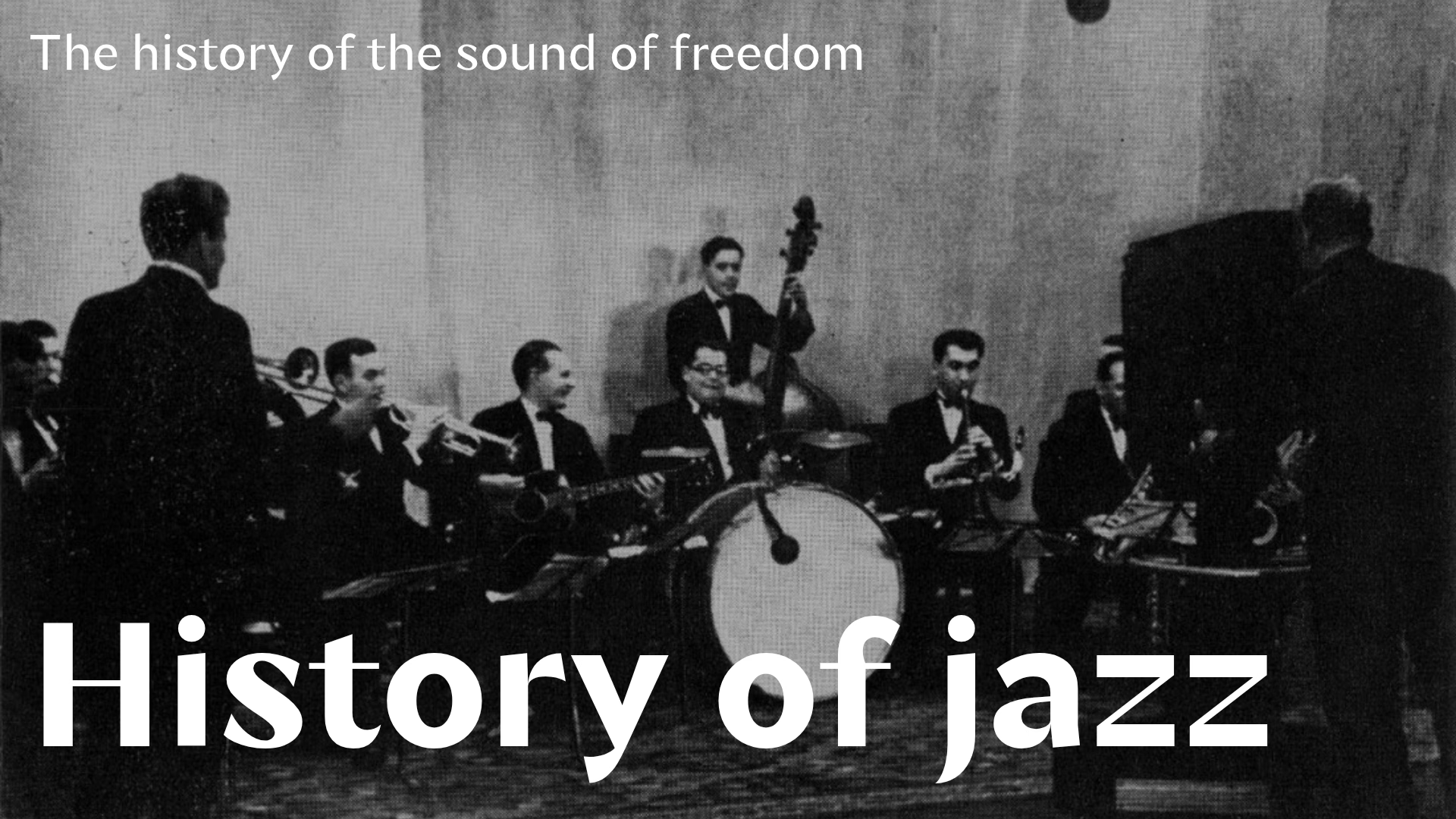
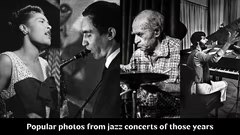
Historical jazz concert photos
Take Five jazz standard
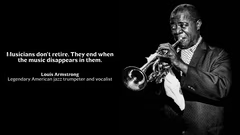
Louis Armstrong quote
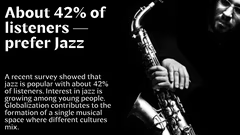
Jazz listener statistics
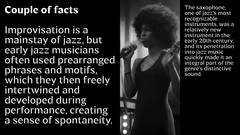
Jazz facts saxophone

Jazz History Overview

8 slides

A presentation template covering jazz origins, key elements, influential songs, and its cultural impact.

absolem
View template

About the template

The template is designed for creating presentations about jazz, covering its origins, key features, influential works, and contemporary relevance. It includes sections for text, quotes, and images, which can be used in educational settings, at music club meetings, or during cultural events.
Jazz Origins: From New Orleans to the World

The template helps explore the birth of jazz in New Orleans, showcasing the blend of African rhythms, European harmony, and American improvisation. Users can create a narrative tracing the genre's evolution, starting from its early forms and moving through to contemporary styles. Music history educators can use it to provide context for students, while jazz club organizers might prepare informative sessions for members, discussing how the city's unique socio-cultural environment fostered the genre.

Key Elements That Define Jazz

This section allows users to dive into what makes jazz distinctive, such as improvisation and syncopation. Presenters can break down different jazz styles, like Dixieland and bebop, explaining their characteristics. Music teachers may use the template to demonstrate specific techniques, while fans can create detailed presentations on their favorite subgenres. Adding visual aids, such as musical notation or instrument photos, can make the information more accessible.
Showcasing Jazz Legends and Their Works

The template includes options to highlight significant jazz songs and share insights from famous musicians. For example, a slide about «Take Five» by Dave Brubeck can emphasize its musical innovations and lasting influence. Quotes from musicians like Louis Armstrong bring a personal dimension to the presentation, helping to connect the audience with the artists. This content is useful for school assemblies, music workshops, or festival presentations aimed at educating or inspiring audiences.
Jazz in the Modern World

Users can use the template to examine jazz's current place in music culture. Data on listener demographics and the impact of globalization on the genre can illustrate its ongoing evolution. A section on contemporary fusions of jazz with other music styles can attract younger listeners. Cultural organizations can leverage this to market jazz events, while music researchers might analyze trends in musical taste and cross-cultural influences using the presented data.

FAQ

  • How can I make a presentation more engaging?

    Use visual elements, illustrations, charts, and concise bullet points. Add examples, stories, and animations if appropriate. The key is maintaining balance between text and visuals.


  • How many slides should a presentation have?

    An optimal range is 10 to 20 slides, but it depends on the topic and presentation format. The main goal is to avoid overload and maintain a logical flow.

  • How to adapt a presentation for different audiences?

    Consider the audience’s background and interests. Adjust examples, terminology complexity, and visuals to make the content understandable and relevant.

  • How to choose the right images for slides?

    Choose images that support the text and illustrate key ideas. Prefer high-quality, clear images, avoiding slides overloaded with visual elements.

  • How to quickly prepare a presentation?

    Use a ready-made template and select 5–7 main slides. Focus on key facts and striking examples. Don’t aim for perfection — a clear, ready version is better than a delayed, overloaded one.