







introduction to industrial design concepts and trends
role of industrial design in modern industry and business
key principles and standards of industrial design
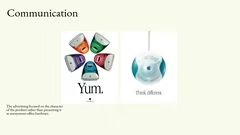
examples of successful industrial design projects
tools and technology for industrial design work
impact of industrial design on product market success
collaboration between designers and manufacturers
future of industrial design and innovation
education and skills required for industrial design profession
summary of industrial design importance and opportunities

Industrial Design Presentation

10 slides

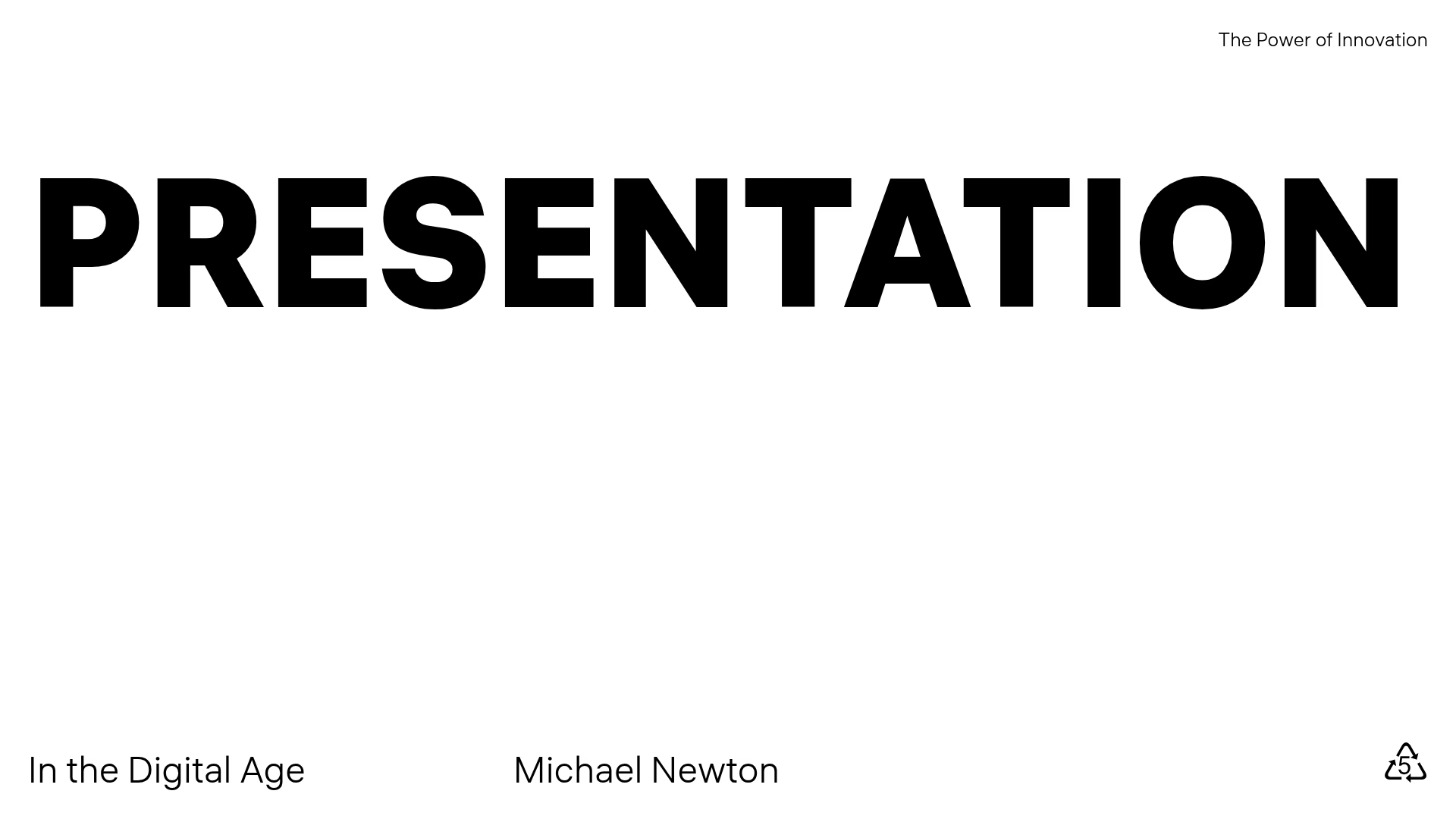
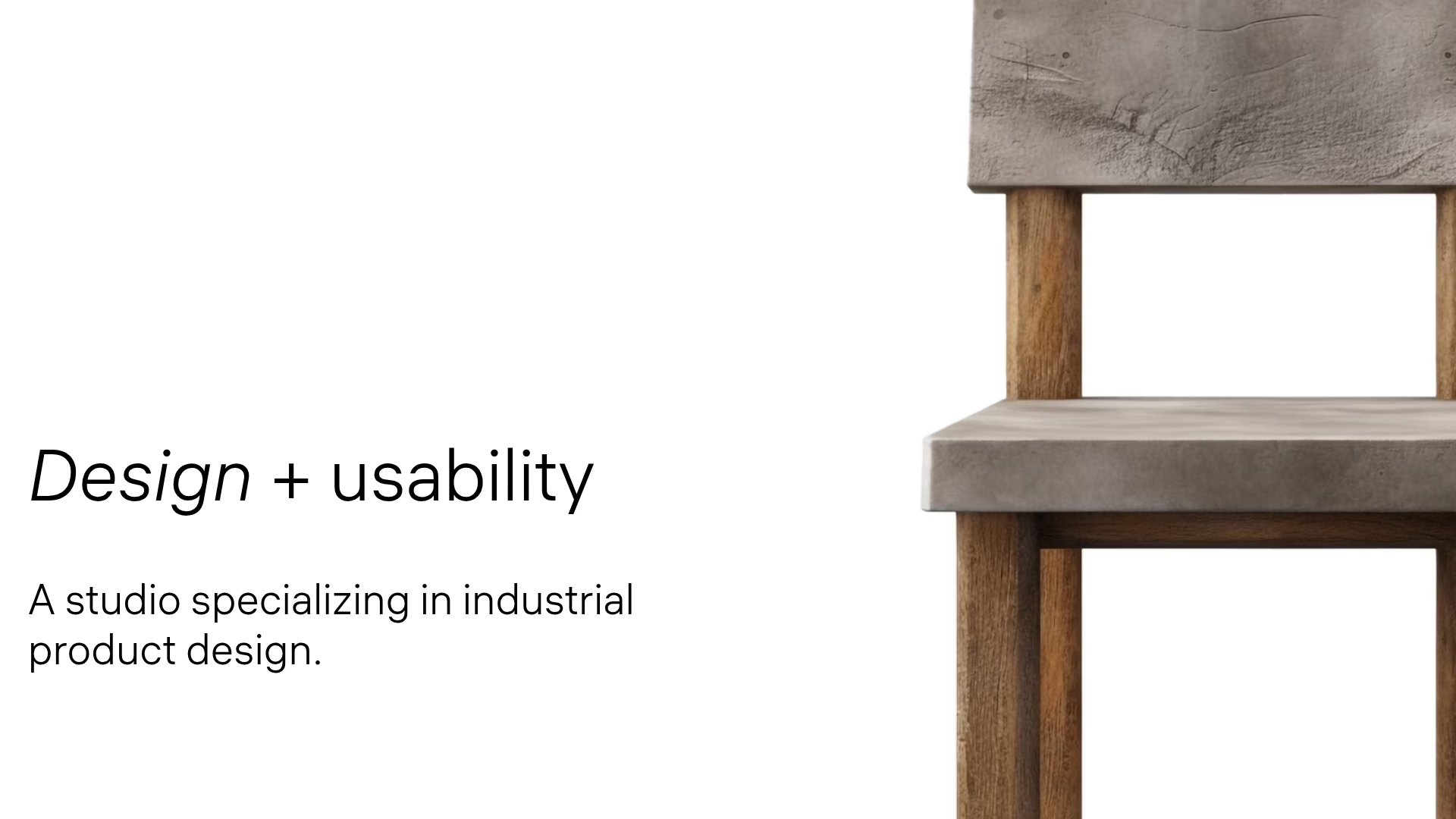
Template for presentations on industrial design: principles, trends, and their influence on business and industry.

Arina Vinnikova
EB Garamond
View template

Tags

About the template

The template is suitable for presentations on industrial design: its principles, history, tools, and impact on business. It contains slides with images, charts, icons, and text blocks that help visualize complex information.

Using the template to demonstrate the importance of industrial design

The template will help show how industrial design affects product success. You can present case studies — for example, demonstrate how the redesign of smartphones or kitchen appliances led to increased sales. The slides allow you to visually illustrate the connection between design quality and customer satisfaction.

What to include in the presentation

  • Stages of industrial design development and key milestones in its history
  • Basic principles that industrial designers follow
  • Software and tools used in the design process
  • Examples of how design improves product usability and marketability
  • Emerging trends and technological innovations in industrial design

Informing stakeholders about the role of design

The template can be used to explain to business owners, investors, and employees why industrial design is important. By comparing the sales of products with strong and weak design, you can show how design investments improve brand recognition and customer loyalty. Visual data and specific examples will help make the message clearer.

Presenting industrial design projects with the template

When presenting a new project, use the template to structure the information logically. Begin with the project objectives and target audience, then go into detail about the design concepts and prototypes. Include 3D renderings or sketches to demonstrate the ideas. Finish with forecasts for the results and the expected return on investment. This will help the audience understand the potential of the design solutions proposed.

FAQ

  • Why shouldn’t you just read the slide text?

    The audience quickly loses interest and engagement drops. Slides should complement the speech, not duplicate it.

  • What techniques help to cope with anxiety before a presentation?

    Take deep breaths, do breathing exercises, warm up your hands, get in a positive mood, and imagine yourself as a confident speaker. Rehearsals and preparation also significantly reduce anxiety.

  • How should a presentation be concluded?

    The conclusion of a presentation should leave the audience with a key message. Instead of a standard 'Thank you' slide, summarize the main points, provide useful information or a call to action, such as contact details or a special offer.

  • How do I choose a presentation template?

    The choice of template depends on the purpose and audience of the presentation. Business presentations require clean and professional templates, educational ones may benefit from more visual designs, and marketing presentations often use bold and dynamic layouts. The design should enhance clarity rather than distract from the content.


  • How many slides should a presentation have?

    An optimal range is 10 to 20 slides, but it depends on the topic and presentation format. The main goal is to avoid overload and maintain a logical flow.