


Introduction to space exploration concepts.
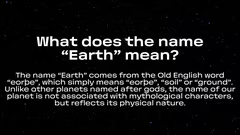
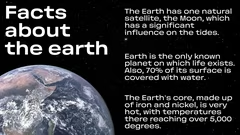
Basic facts about planets and stars.
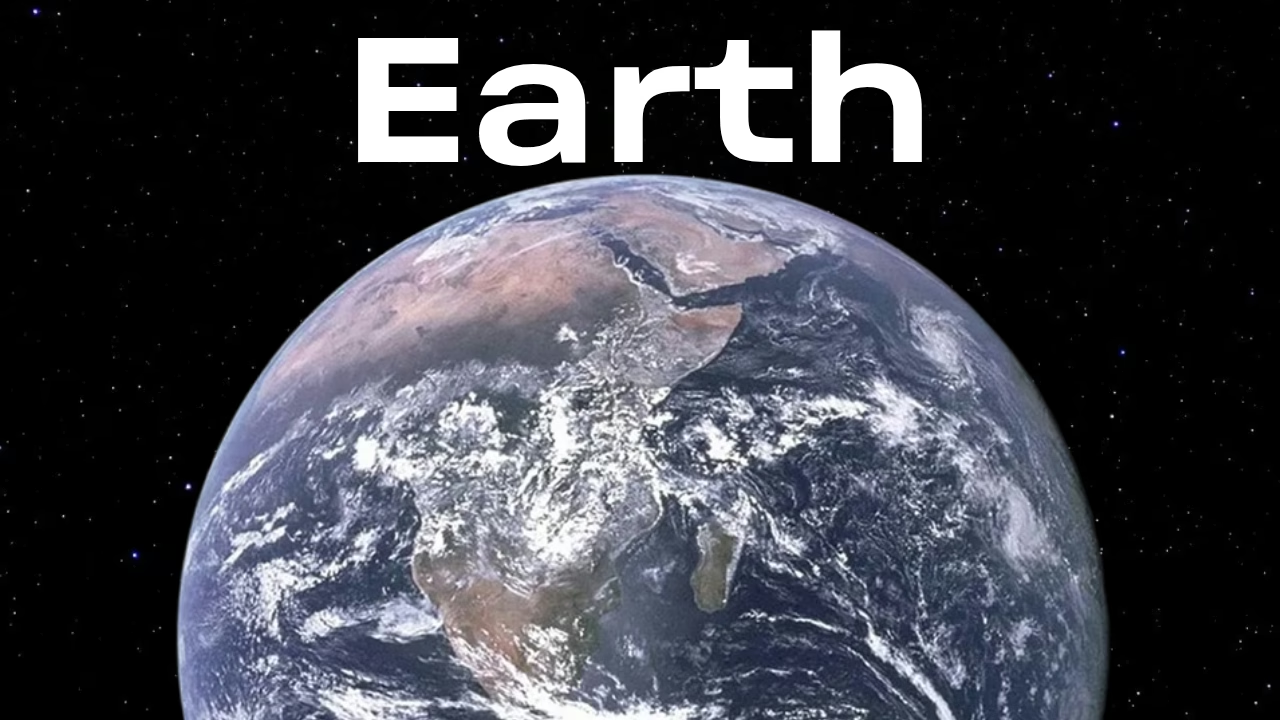
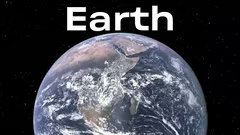
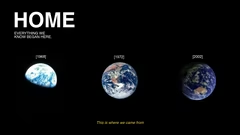
Visuals of the solar system overview.
Information about space missions.
Details about space technologies.
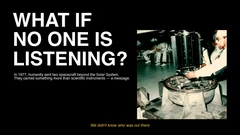
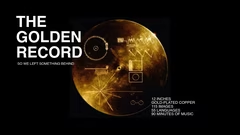
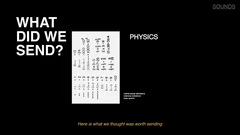
Sounds from space, Voyager mission data.
Images of distant galaxies and nebulae.
Facts about black holes and their behavior.
Space exploration challenges and opportunities.
Future of space travel and research.
Significance of space studies for humanity.
Conclusion and key takeaways about space.

Presentation about Space

12 slides

A presentation template for creating materials on space exploration and astronomy for education and information.

View template

Tags

About the template

The template is designed for creating presentations on space exploration and astronomy. It includes slides for images, charts, and text blocks, which allows to cover various topics related to space. The template can be useful for teachers, scientists, and anyone who wants to present information about space.

Using the Template in Education

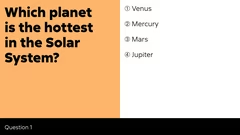
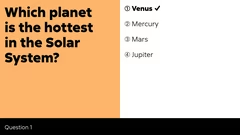
Teachers of astronomy and space sciences can use the template to prepare lessons for schools and universities. For example, it is suitable for presenting information about the planets of the solar system, their characteristics, and celestial bodies. The template allows to include images of planets, tables with orbital parameters, and key scientific facts. Teachers can also create quizzes based on slides to involve students in the learning process. The template is suitable for both introductory courses and advanced studies.

For Scientific Lectures and Public Events

Scientists and astronomers can use the template to present their research at conferences and public lectures. It helps to structure information about space missions, technological innovations in astronomy, and discoveries. Visual materials — images of telescopes, spacecraft, and astronomical events — make complex data more understandable. The template is also suitable for planetarium shows and popular science events in the community. Clear design keeps the audience interested and helps to highlight the main points of the presentation.

Ideas for Presentation Content

  • Develop a chronological chart of key space missions, such as Apollo and Voyager.
  • Present research data on exoplanets and the possibility of life on them.
  • Display high-quality images taken by the Hubble Space Telescope.
  • Discuss prospects for space travel and plans for colonizing other planets.
  • Create infographics showing the scale of the universe and Earth's place in it.
How to Use the Template Effectively

Start by determining the goal of your presentation — whether it's teaching, informing, or inspiring the audience. Choose a unified visual style with clear images and legible fonts to keep the audience's attention. Include up-to-date scientific data and recent discoveries to make the material relevant. You can add quotes from well-known astronauts and scientists to make the presentation more convincing. End the presentation with a call to action, for example, suggest books for further reading or invite the audience to support space research projects.

FAQ

  • How do I prepare a presentation for a speech?

    Create a brief outline, highlight key points, and design clear visual slides. Rehearse your speech and test the presentation file on the device you will use.

  • What is a presentation template?

    A template is a pre-designed slide structure with layout, colors, and styling that you can customize for your needs.

  • What does it mean to create a presentation?

    A presentation is a way of delivering information to an audience in a clear and accessible manner, without overwhelming them with new knowledge. A good presentation should be easy to understand, and this can be achieved using various software tools.

  • Where can I make a beautiful presentation for free?

    You can quickly create a beautiful and professional presentation in the Fokus online builder. Our service offers free access to designer templates, automatic color and font selection, allowing you to create impressive slides in minutes, even if you have no design experience.

  • How to start a presentation correctly?

    Start your presentation with a powerful "hook" to grab the audience's attention from the first seconds. This could be an intriguing question, a shocking statistic, a short personal story, or a bold statement directly related to your topic. The main thing is to arouse interest and indicate the value for the listeners.